
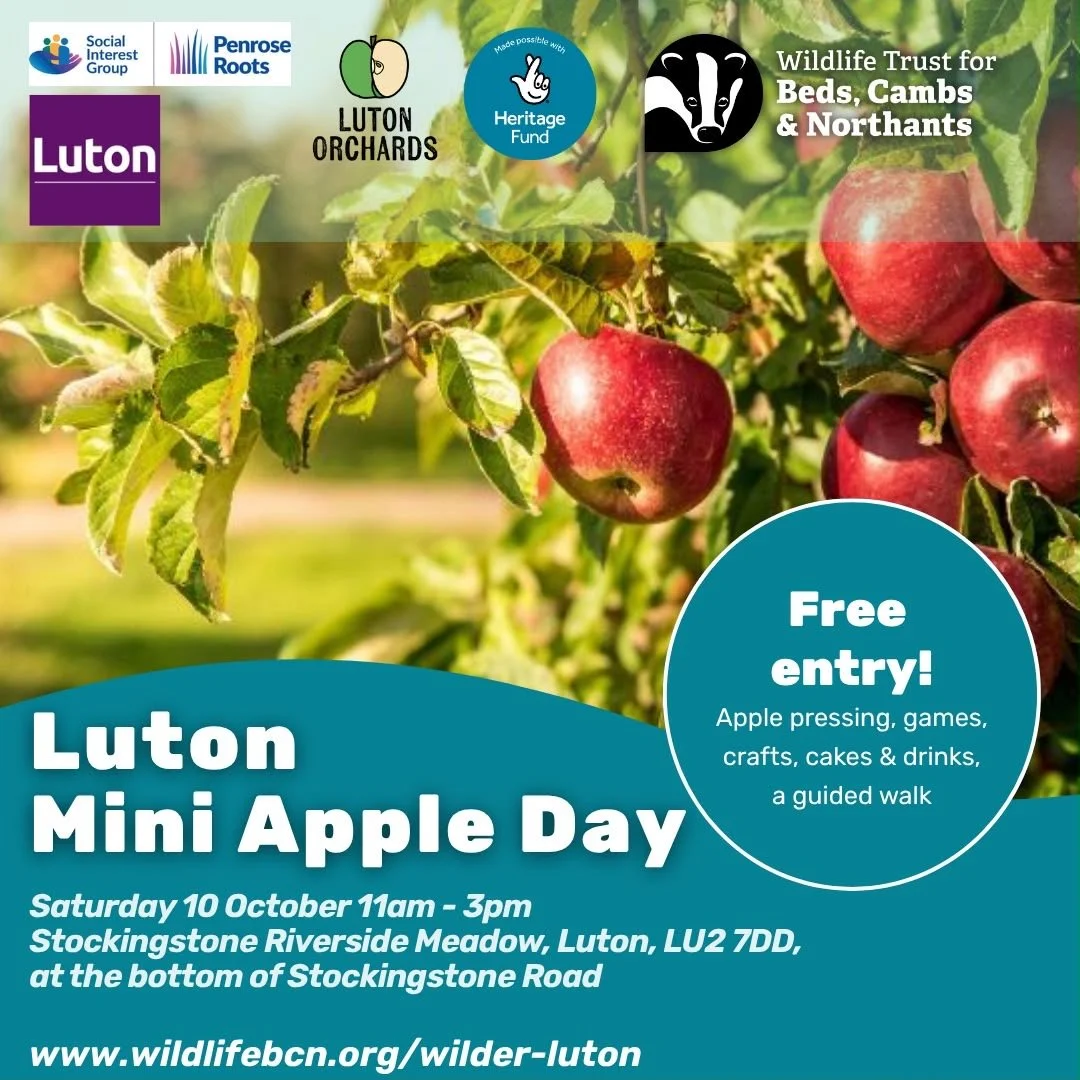
LUTON, 10 October 2026 – Hundreds of years of local history, rare fruit varieties, wildlife conservation and community spirit came together at Luton Mini Apple Day, held at Stockingstone Riverside Meadow, organised by the Wildlife Trust for Bedfordshire, Cambridgeshire and Northamptonshire, supported by the Heritage Fund.
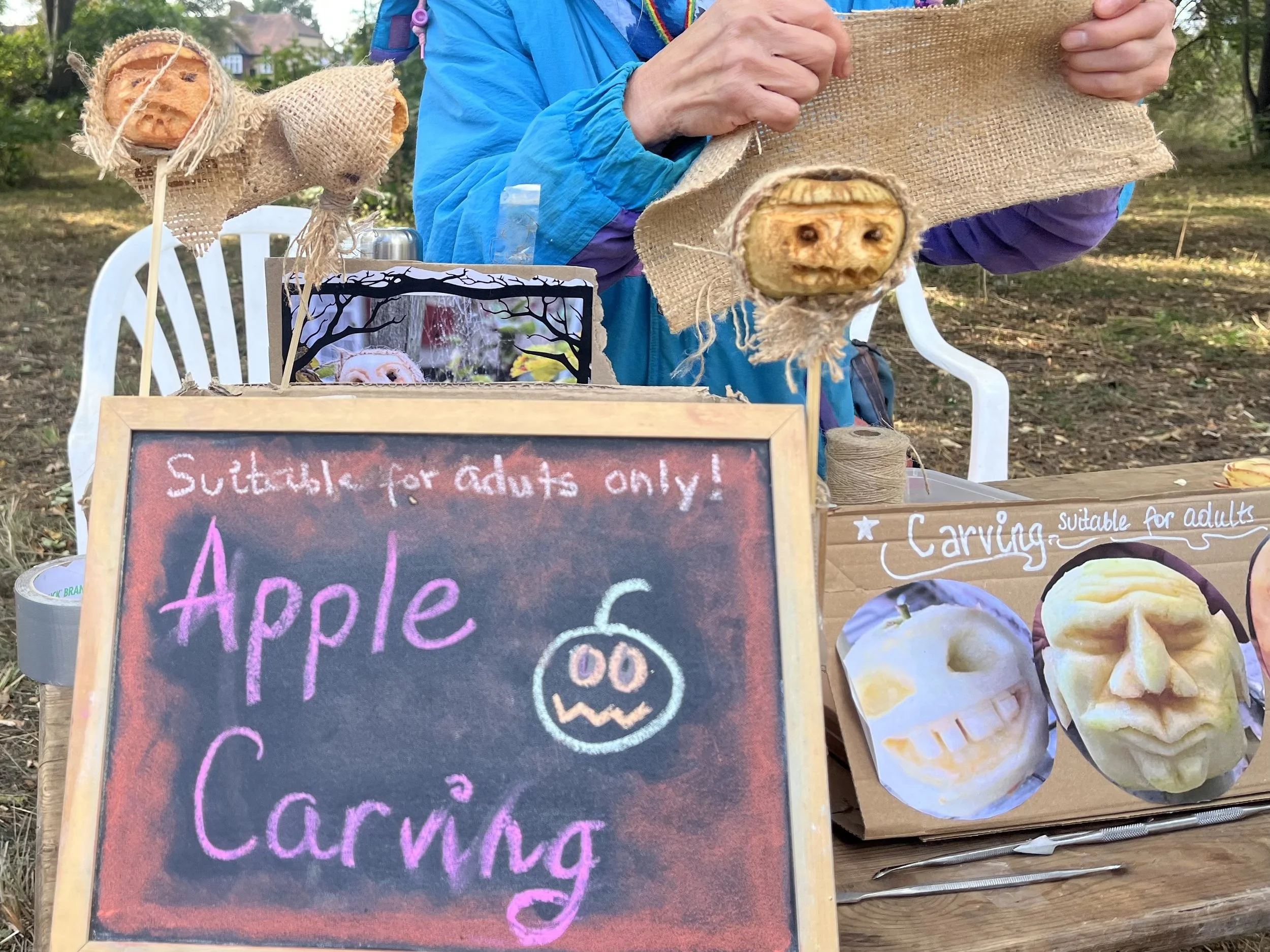
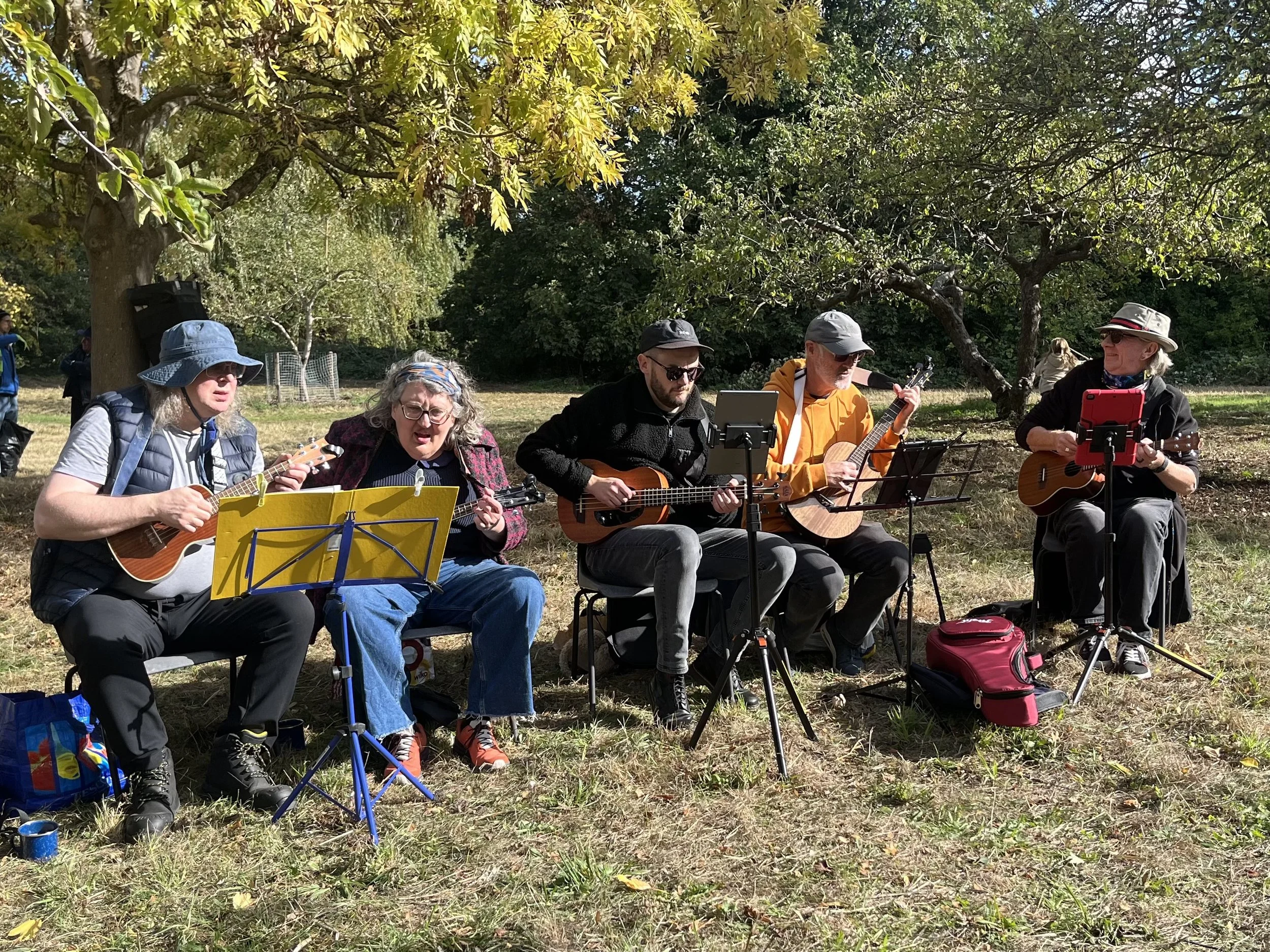
The free community event featured apple pressing, traditional crafts, games, guided walks, homemade cakes, refreshments and the opportunity to purchase heritage apple varieties and locally produced apple juice from Luton Orchards.
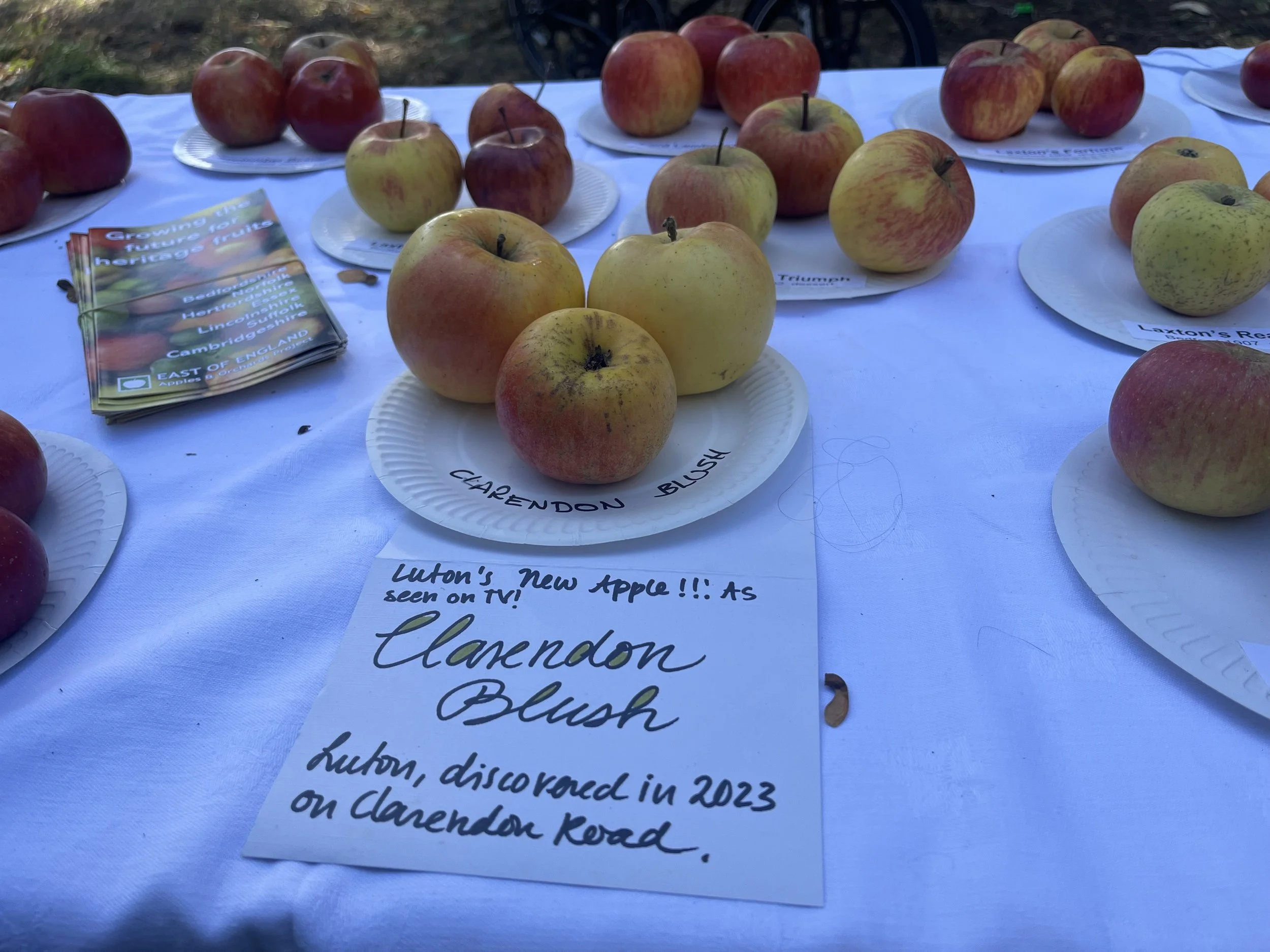
A major highlight was the chance for visitors to see one of Luton's newest discovered apple varieties. Found in a garden in High Town (Clarendon Road), and now grafted into the People's Park orchard cared for by Edible High Town, the unique apple has been named Clarendon Blush following a public vote. DNA testing confirmed it did not match thousands of recorded apple varieties, making it a genuinely distinctive local discovery.
Guided Walk
The day's guided walk was led by Konni Deppe of Edible High Town, who gave visitors a fascinating tour of Luton's orchard heritage and ongoing restoration efforts.
Konni explained that historic maps reveal Luton once had around 175 acres of orchards, a landscape that has largely disappeared over the past century. What we're seeing now is the result of community efforts over the last twenty years to bring some of that heritage back.
The Stockingstone Meadow orchard began taking shape with trees planted in 2008 and 2009 through the work of local ecologist Trevor Tween, volunteers including David Oakley Hill of Friends of the Earth, and local beekeeper Colin Hall.
Preserving History Through Grafting
One of the walk's themes was the importance of grafting fruit trees to preserve heritage varieties. Konni explained "If an apple variety originated in 1750 and you graft it today, you're still growing the same tree biologically." She said, "When you eat that apple, you're biting into history."
Visitors enjoyed a special display of more than 15 Bedfordshire apple varieties, many of which originated in the county and are now rarely seen outside specialist collections.
Challenges Facing Community Orchards
The walk highlighted both the rewards and challenges of maintaining public orchards.
Deppe pointed to examples of vandalism, damaged tree guards and broken branches, noting that community orchards require long-term management and protection. Konni has now created a comprehensive register of community orchards throughout the town, ensuring they can be better protected and cared for in future.
Orchards as Wildlife Havens
Beyond fruit production, orchard habitats play a vital role in supporting biodiversity.
Participants learned how ageing fruit trees create habitats for insects, beetles, birds and fungi. Unlike dense woodland, traditional orchards combine sunlight, open grassland and mature trees, creating ideal conditions for wildlife.
"What takes an oak tree 200 years to achieve, a fruit tree can often do in 50 or 80 years," she said, referring to the dead wood habitats created by ageing orchard trees.
Penrose Roots and Community Partnerships
The walk passed the Penrose Roots Recovery Garden, showcasing how orchard projects can deliver social, physical, mental, spiritual as well as environmental benefits. The garden supports people recovering from illness, bereavement and addiction through gardening and outdoor activities.
The Legacy of Bide-A-While
The final stop was Bide-A-While, the historic garden created in the early twentieth century by local businessman and engineer George Farr. He transformed former allotments into an ornamental pleasure garden before gifting it to Luton Council in 1951.
Many of the original fruit trees remain, forming a striking orchard avenue and preserving a living link to Luton's horticultural past.
Looking Ahead
As Apple Day concluded, visitors returned to the main event to sample apples, browse displays and learn more about local conservation projects.
The discovery of Clarendon Blush and the ongoing work to restore community orchards demonstrate that Luton's fruit-growing heritage is far from forgotten.
From preserving rare varieties and supporting wildlife to bringing communities together, Mini Apple Day showed how a simple apple tree can connect modern residents with centuries of local history.
"If the last tree of a variety dies, that variety is gone forever," Konni told visitors. "That's why protecting these orchards matters."
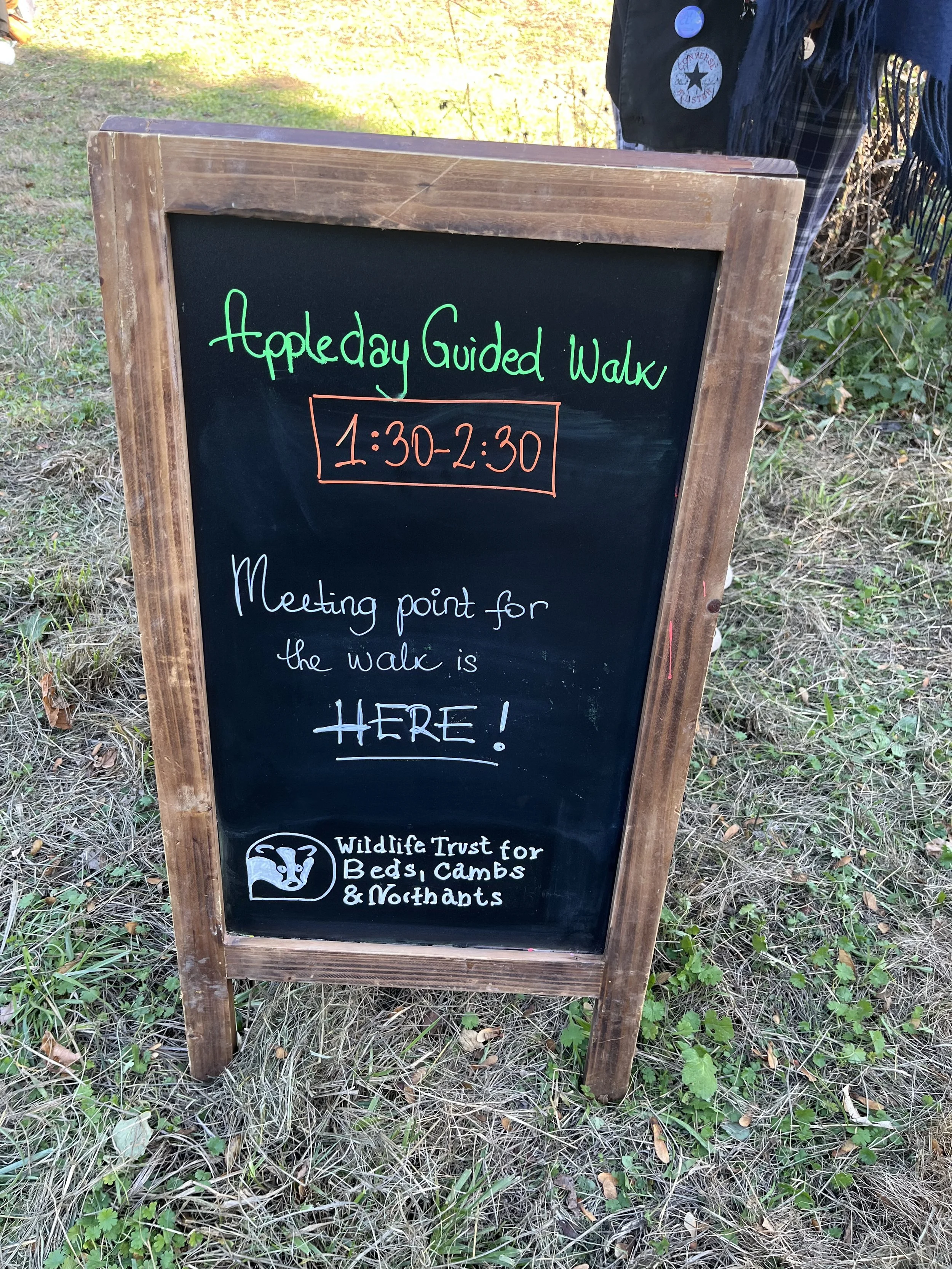
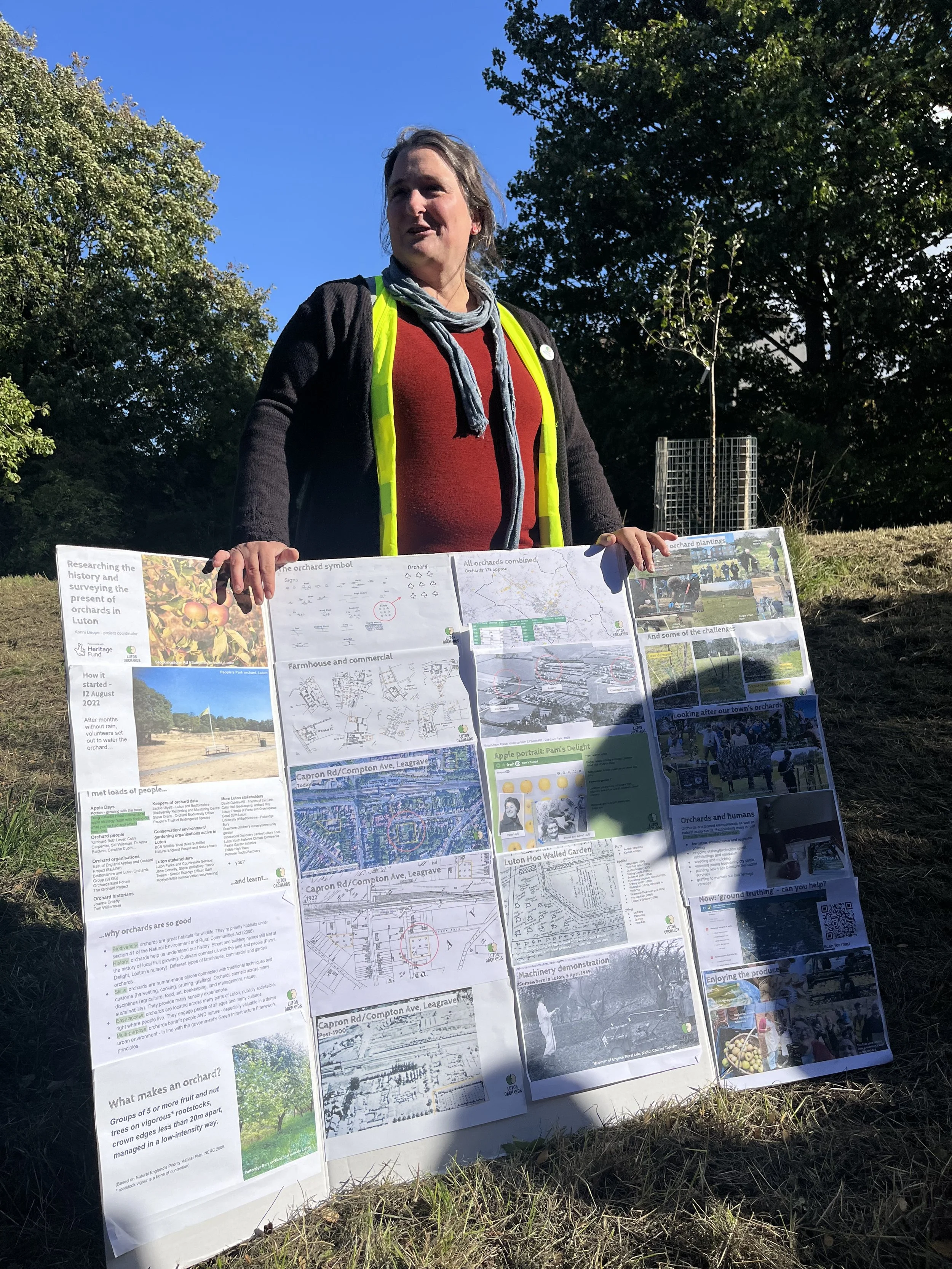
A guided walk was led by Konni Deppe of Edible High Town, who gave visitors a fascinating tour of Luton's orchard heritage and ongoing restoration efforts.
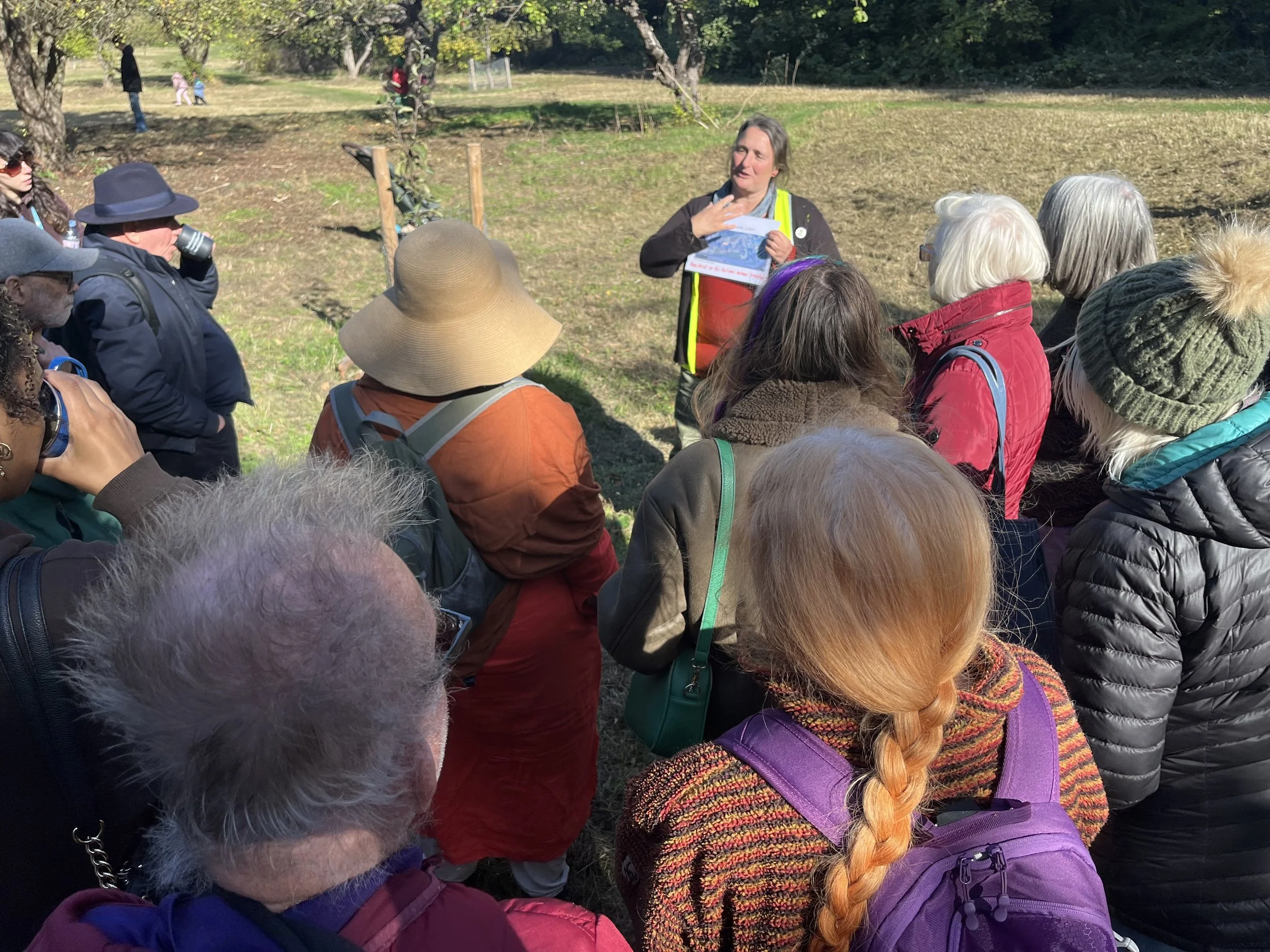
A guided walk was led by Konni Deppe of Edible High Town, who gave visitors a fascinating tour of Luton's orchard heritage and ongoing restoration efforts.
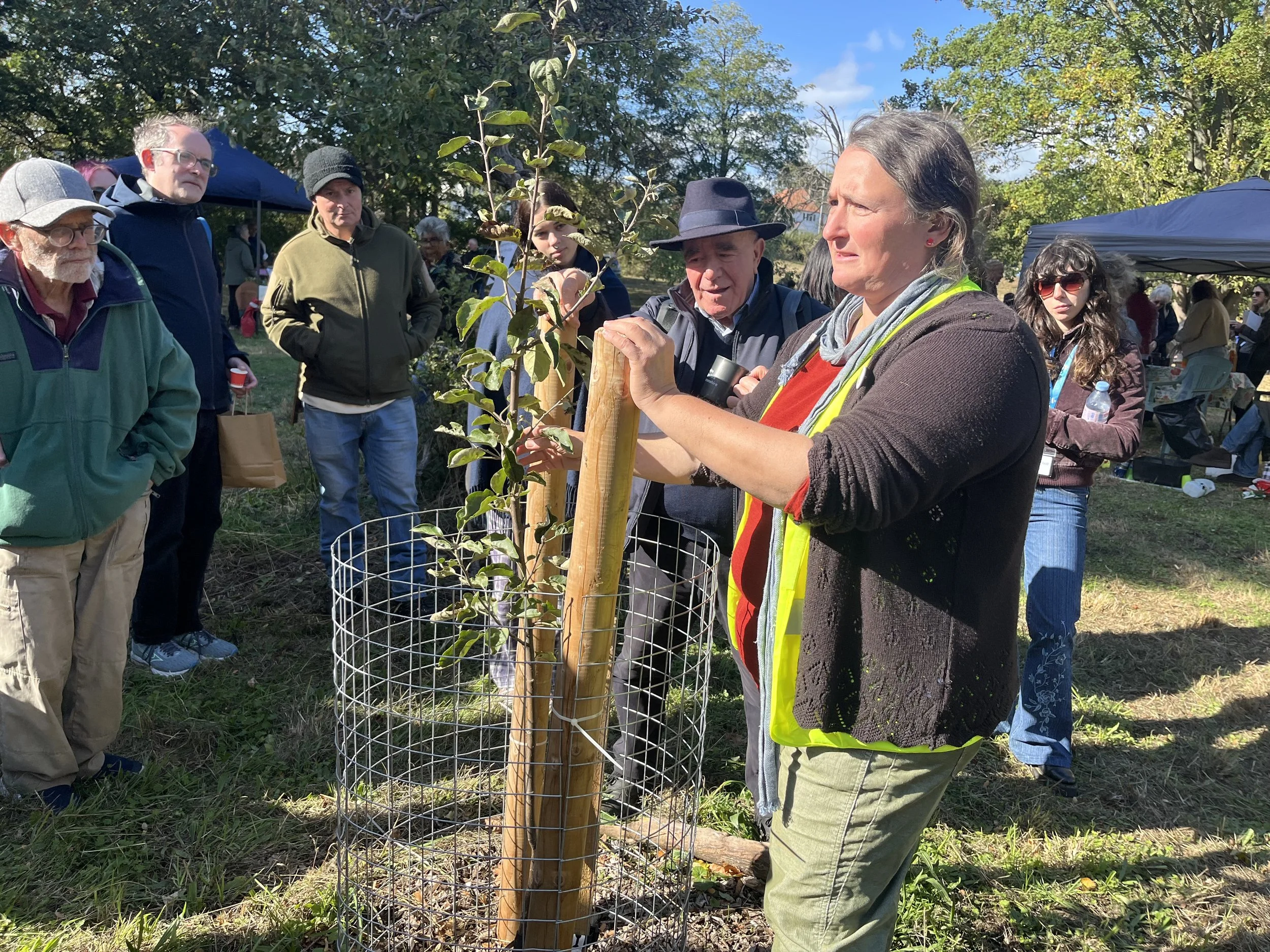
A guided walk was led by Konni Deppe of Edible High Town, who gave visitors a fascinating tour of Luton's orchard heritage and ongoing restoration efforts.
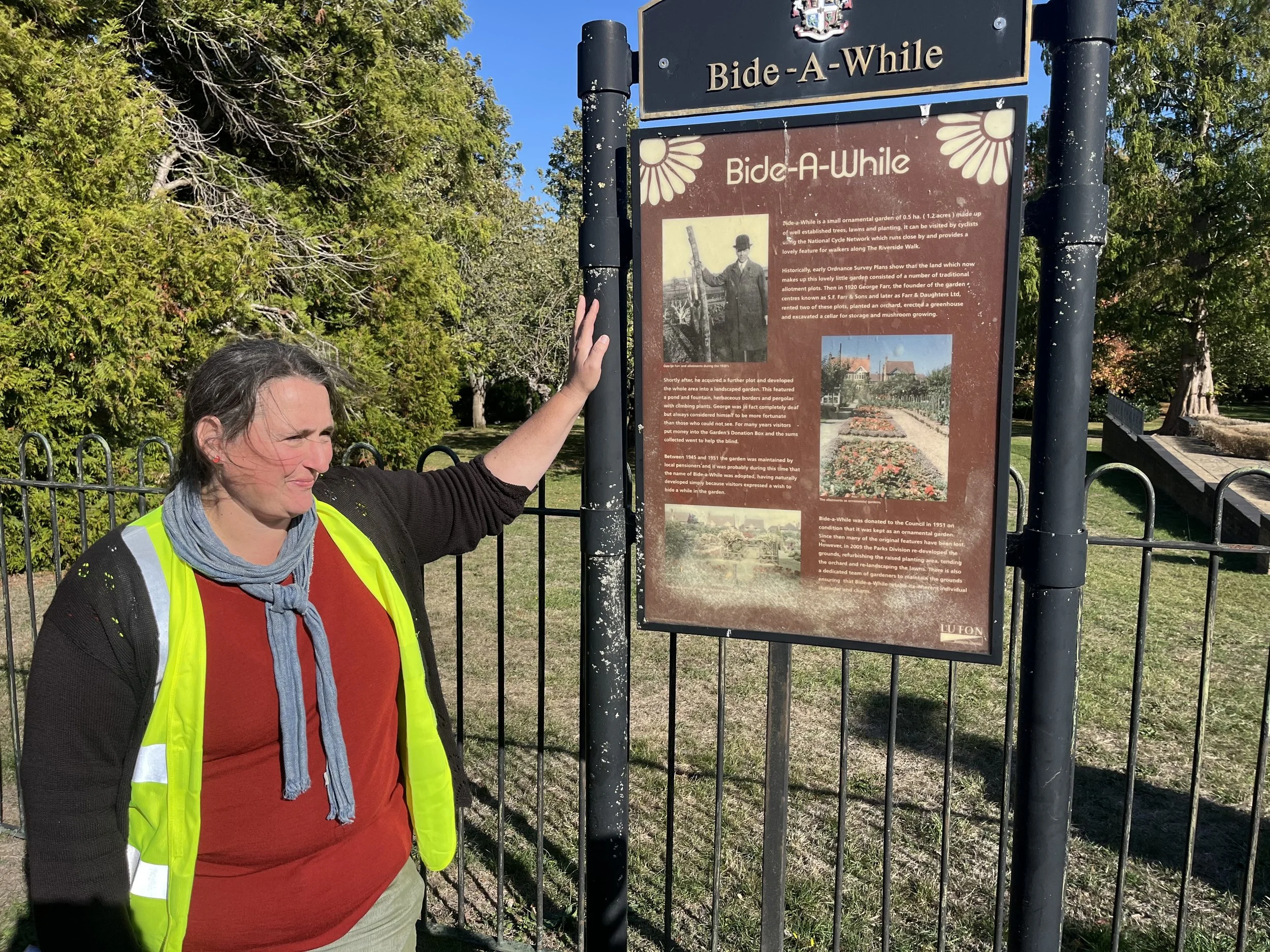
A guided walk was led by Konni Deppe of Edible High Town, who gave visitors a fascinating tour of Luton's orchard heritage and ongoing restoration efforts.
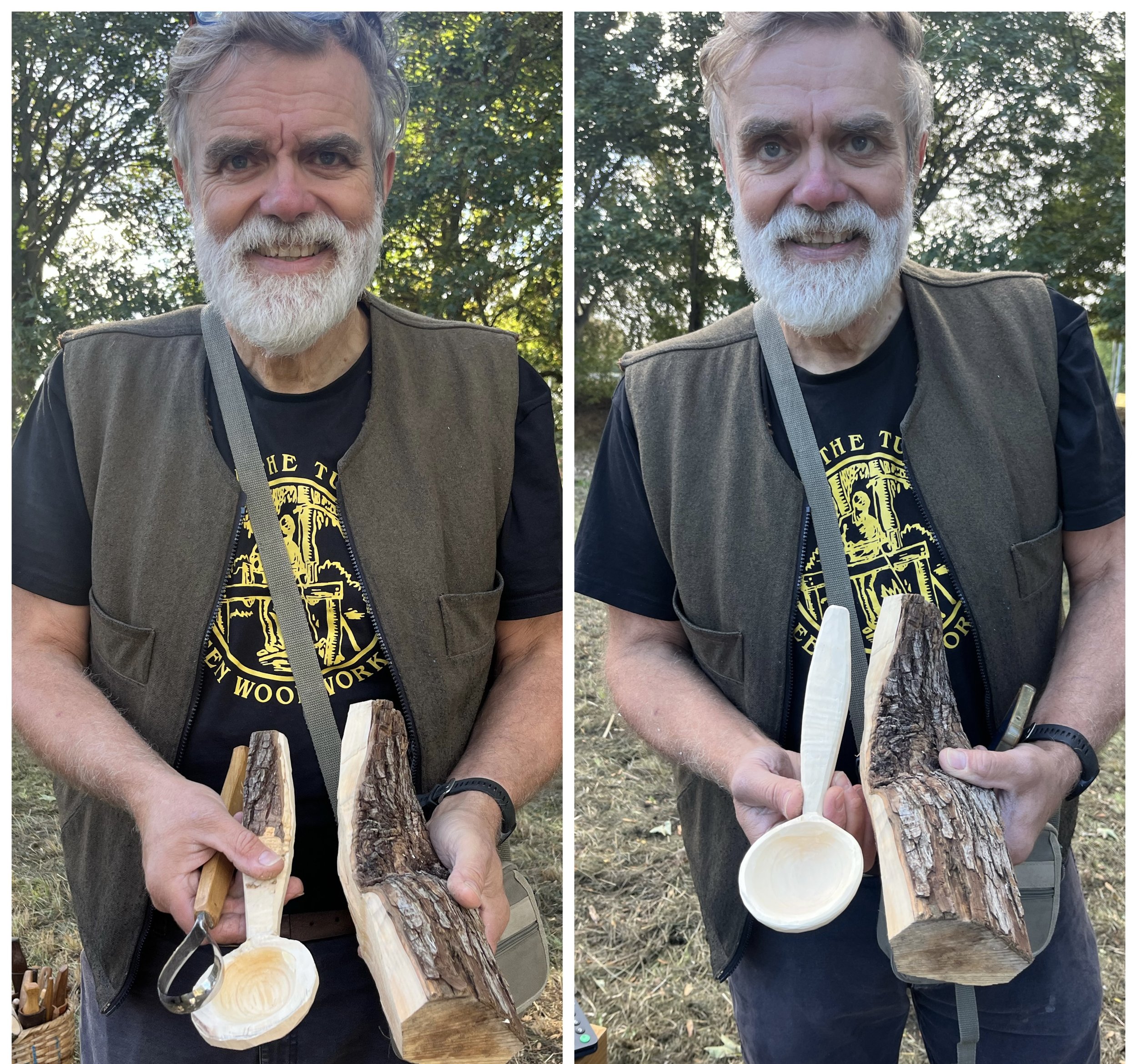
David Yule, a greenwood worker, spoon carver, bowl turner and teacher of traditional greenwood crafts, demonstrating the spoon carving skills from a piece of wood.