
GRASSROOTS Luton was invited to join community leaders, faith representatives, policymakers and grassroots practitioners gathered at the St Paul’s Cathedral Institute for a panel-led conversation examining the role of faith and community in building stronger, more cohesive neighbourhoods.
Welcoming guests, James Willis, Head of the St Paul’s Cathedral Institute, reflected on its historic legacy of debate, learning and discussion in medieval London. He described the Institute’s mission as creating spaces where faith, culture and society can come together to explore contemporary issues and shape positive public conversation.
The event was hosted in partnership with Church Urban Fund and highlighted the work of the Near Neighbours programme, which has spent more than 16 years supporting grassroots relationships and community cohesion across England.
Opening the discussion, Bishop Rob Wickham, CEO of Church Urban Fund, spoke of the urgent need to strengthen relationships across communities. He emphasised the importance of asset-based, place-based approaches that recognise the strengths already present within local neighbourhoods and work alongside communities rather than imposing solutions upon them.
The panel brought together three experienced voices from the worlds of policy, faith and community engagement: Dame Sara Khan, former Independent Adviser for Social Cohesion and Resilience; Bishop Michael Ipgrave, former Bishop of Lichfield; and Rabiyah Latif, MBE, Birmingham Officer for Near Neighbours.
Dame Sara Khan warned that social cohesion in Britain is under increasing strain, citing growing polarisation, mistrust in democratic institutions and the rise of extremist narratives. She challenged faith communities to defend pluralism, confront intolerance & hostility within their own traditions and actively counter misinformation and divisive ideologies. When intolerance is preached in our name and in the name of our faith, our silence is taken as consent. She challenged that security alone is not a cohesion strategy; it builds higher walls, not stronger relationships. She highlighted that hope is in the positive contribution faith communities continue to make through practical service, relationship-building and local action.
Bishop Michael Ipgrave suggested that the phrase "Protecting What Matters" (the title of the UK Government's 2026 social cohesion strategy) may be too defensive. Drawing on his experience in Leicester, he talked about the challenges of different faith communities’ competing claims of victimisation. Cohesion is not achieved by pretending differences do not exist, so he stressed on the continued importance of long-term investment in relationship-building, warning against simplistic national solutions to complex local realities.
Speaking from her extensive grassroots experience in Birmingham, Rabiyah Latif, MBE described how local forums and community conversations can provide safe spaces for residents to discuss difficult issues, build trust and identify shared values. She emphasised the importance of creating opportunities for honest dialogue while ensuring that all voices, particularly those from marginalised communities, are heard and enabled and empowered to speak truth to the power.
A lively audience discussion explored questions around workplace networks, artificial intelligence and misinformation, community-led dialogue, and the challenge of amplifying local voices at a time of increasing financial pressures on the voluntary sector.
Closing the evening, Bishop Rob Wickham encouraged participants to continue building relationships, and telling our stories in a way so we speak not just ‘truth’ but also ‘hope’ to the power. He noted that while programmes such as Near Neighbours play an important role, the responsibility for creating thriving, resilient, welcoming and caring communities belongs to everyone.
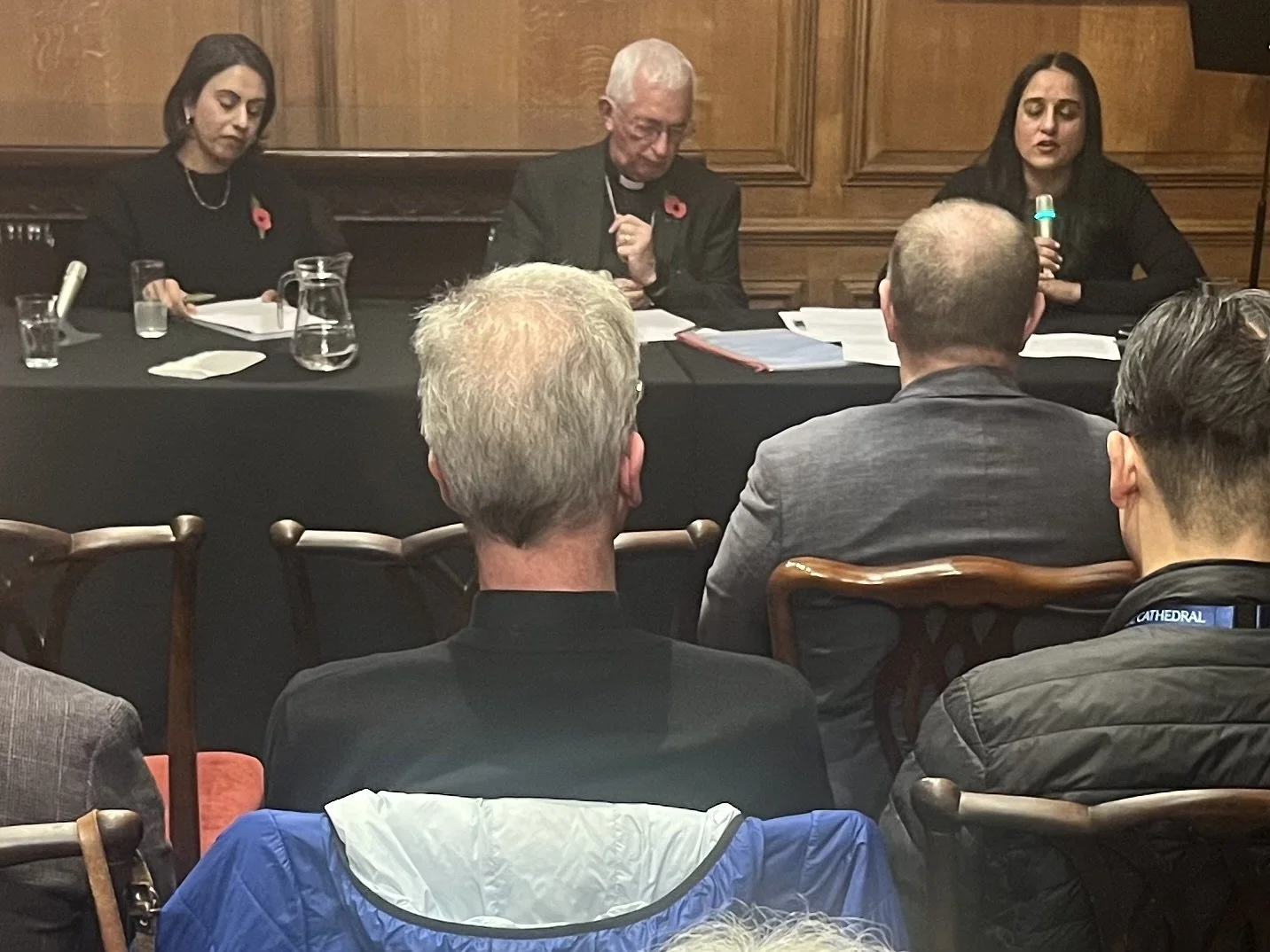
The Panel L to R: Dame Sara Khan, former Independent Adviser for Social Cohesion and Resilience; Bishop Michael Ipgrave, former Bishop of Lichfield; and Rabiyah Latif, MBE, Birmingham Officer for Near Neighbours.
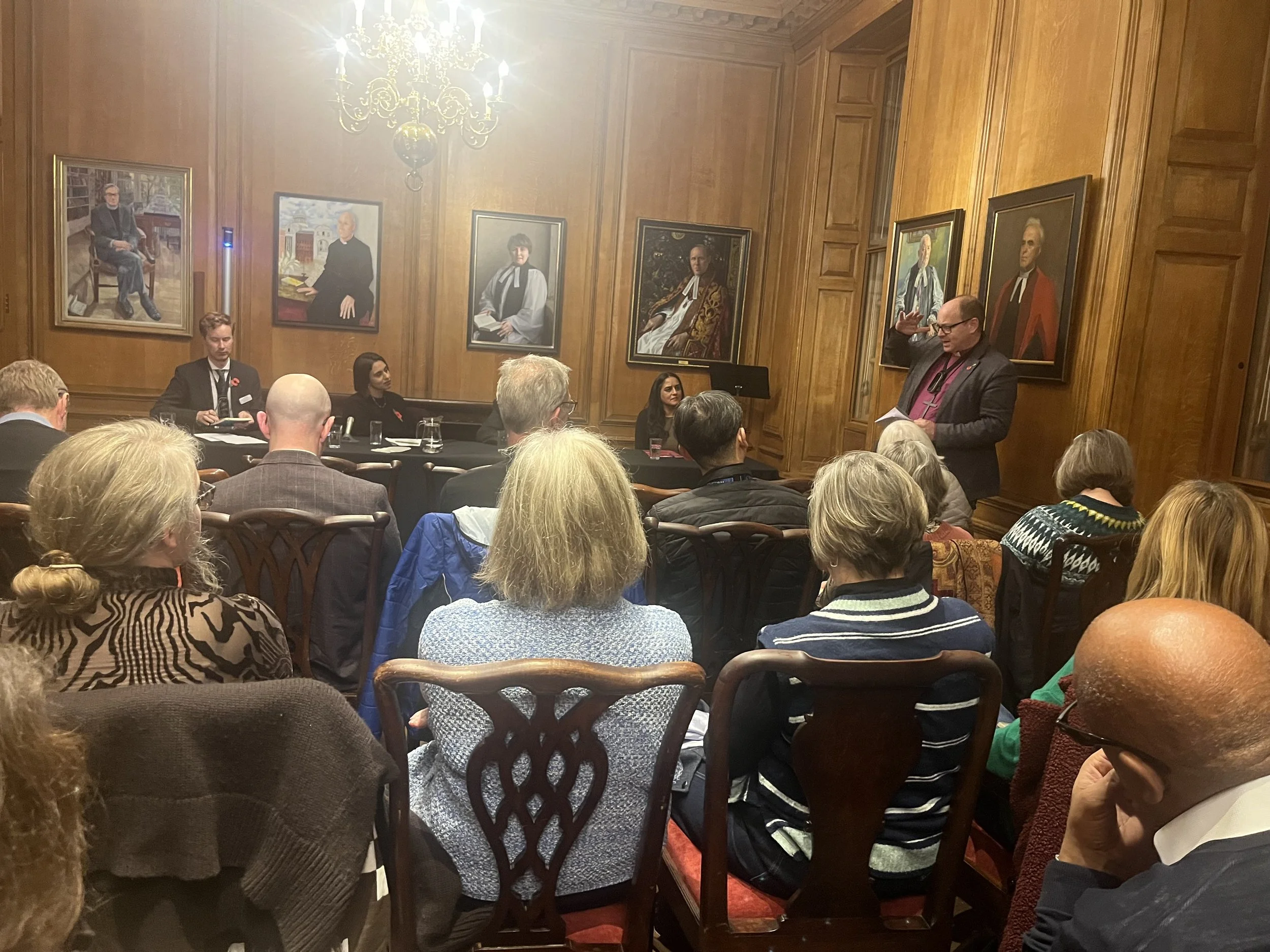
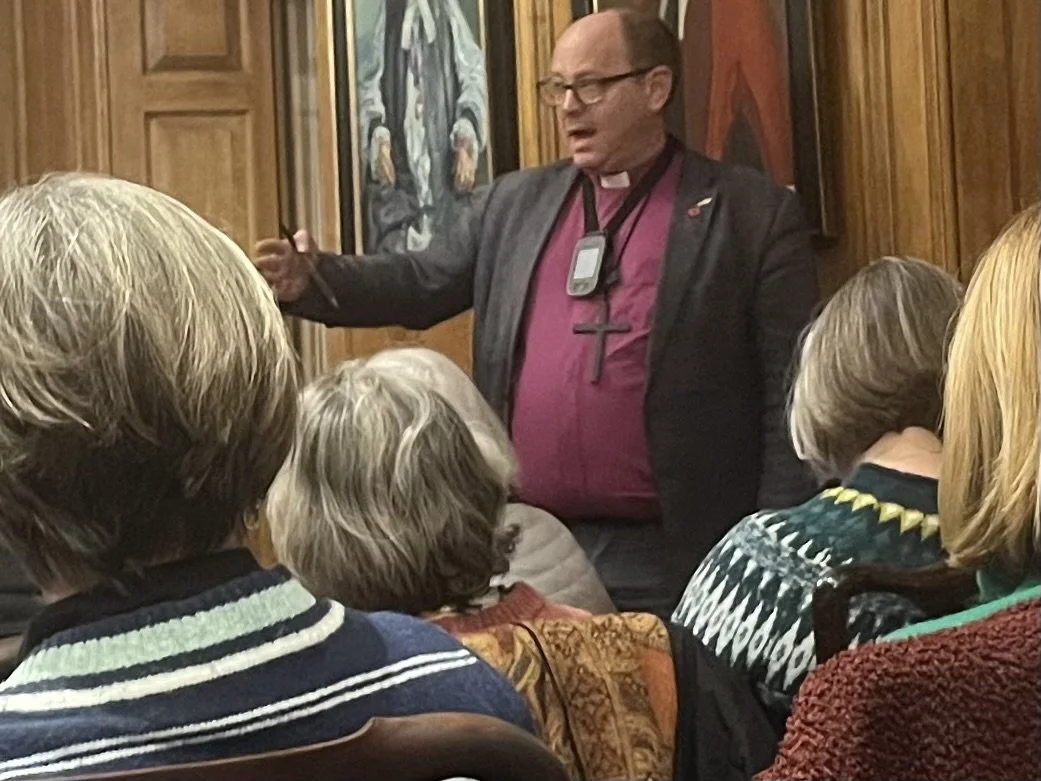
Bishop Rob Wickham, CEO of Church Urban Fund challenged to speak not just ‘truth’ but also ‘hope’ to the power.