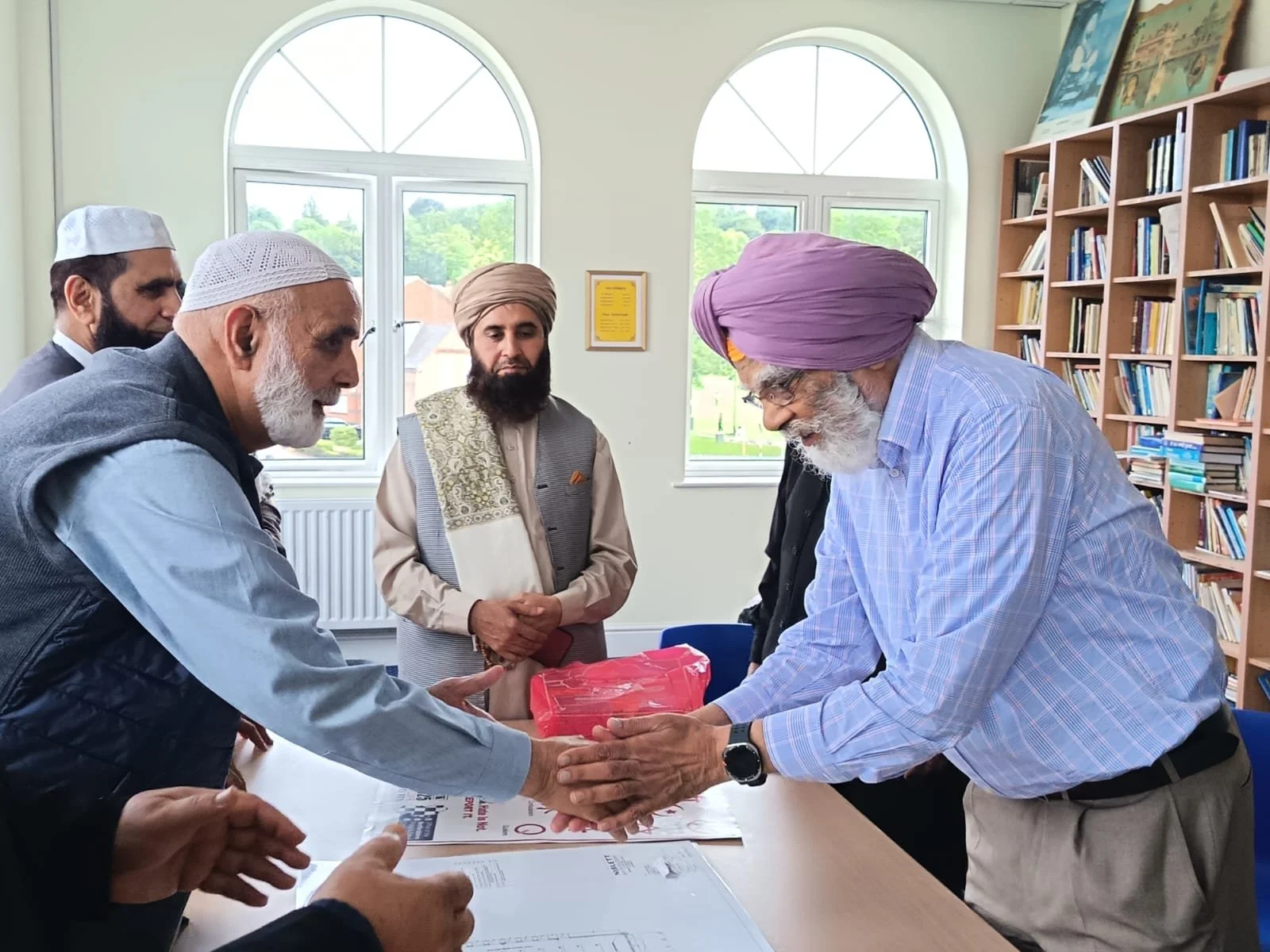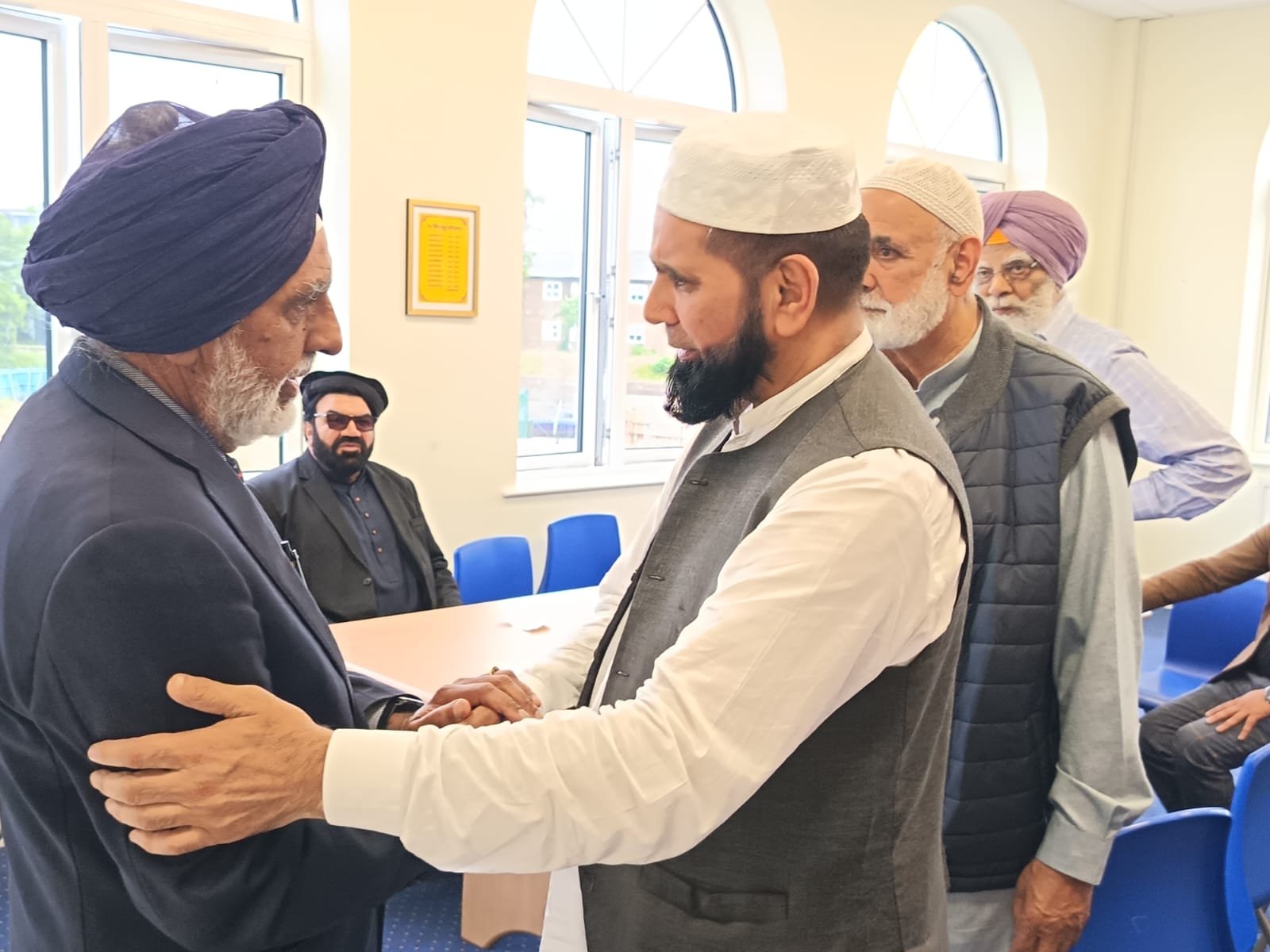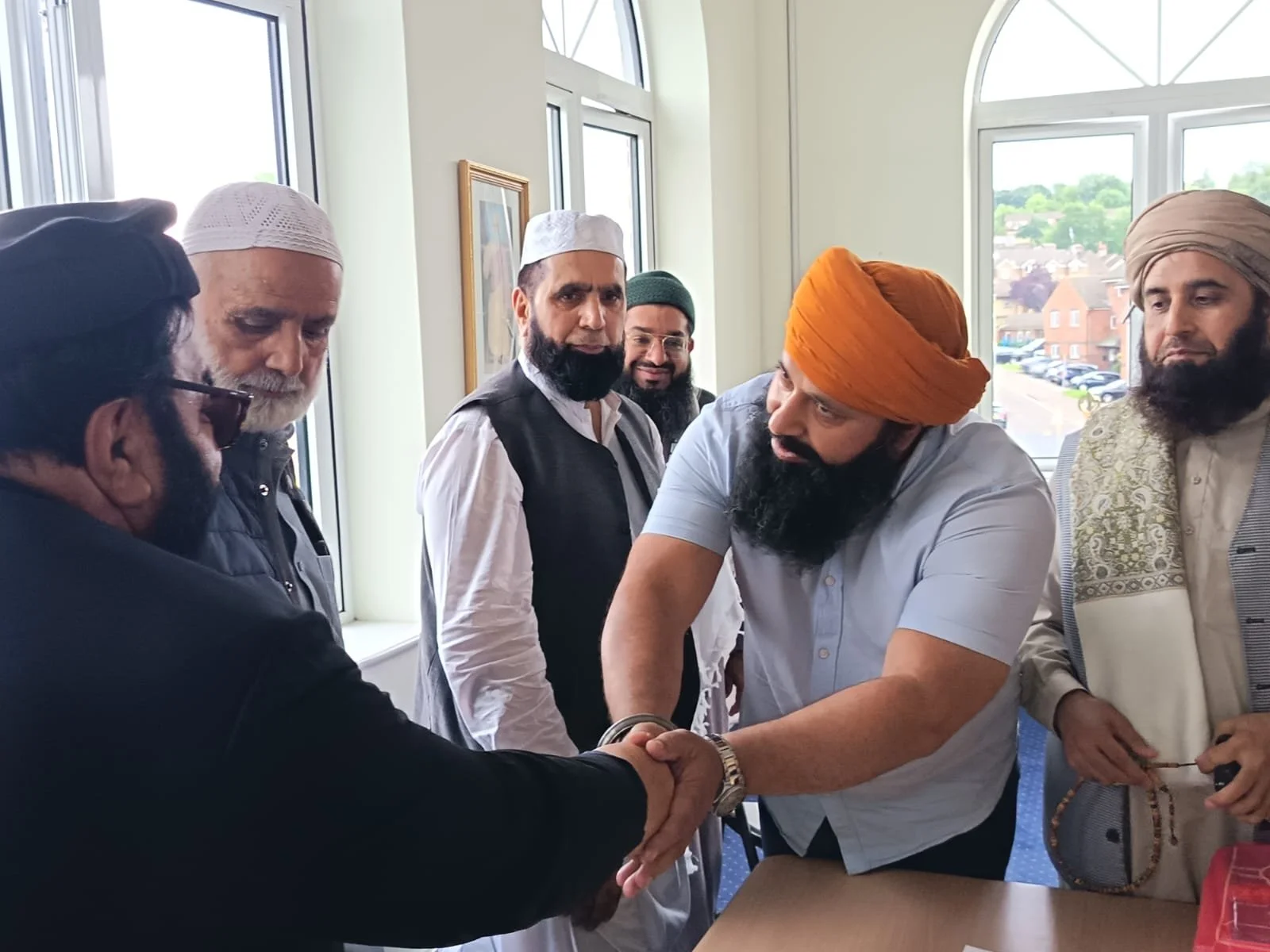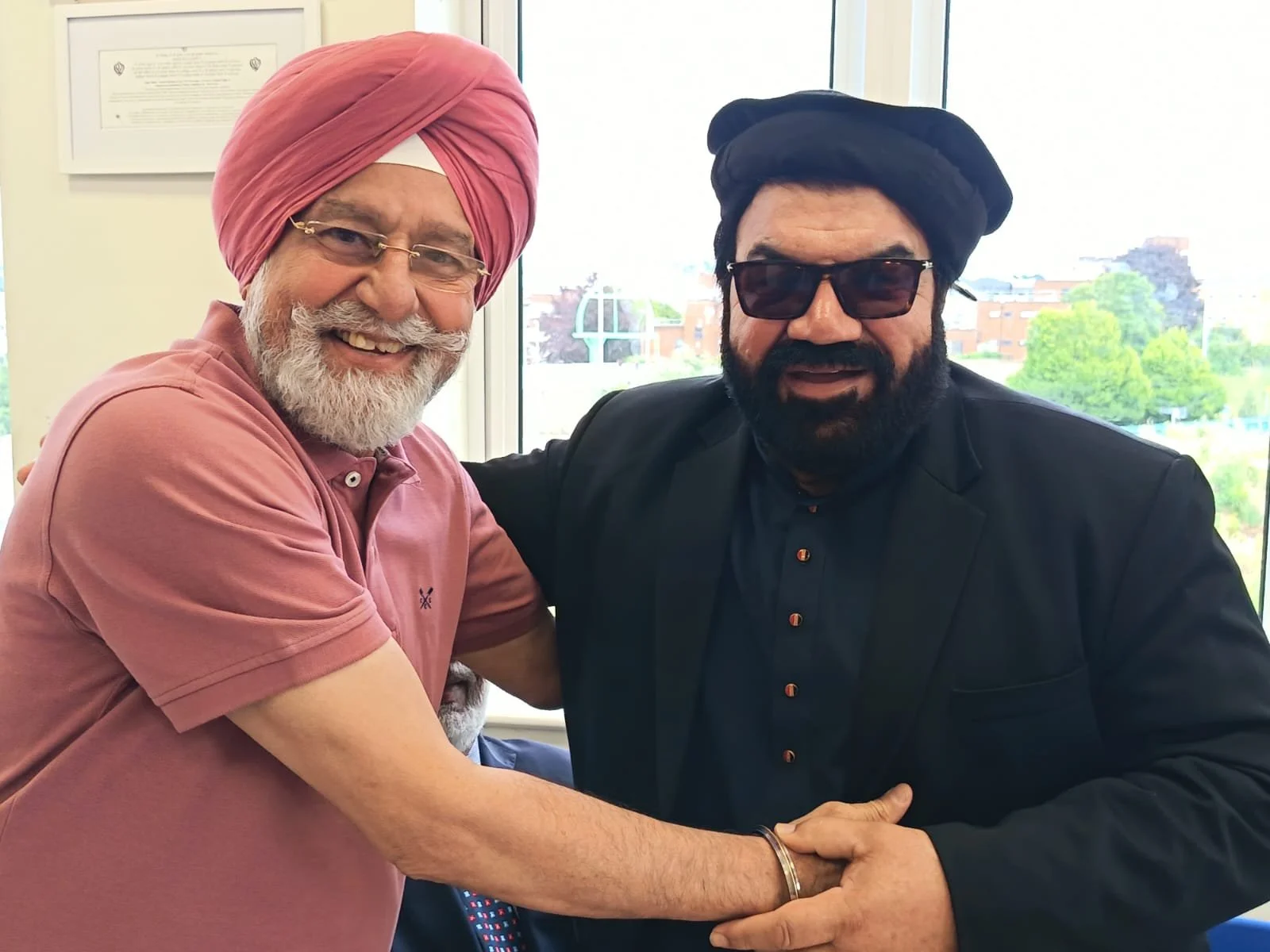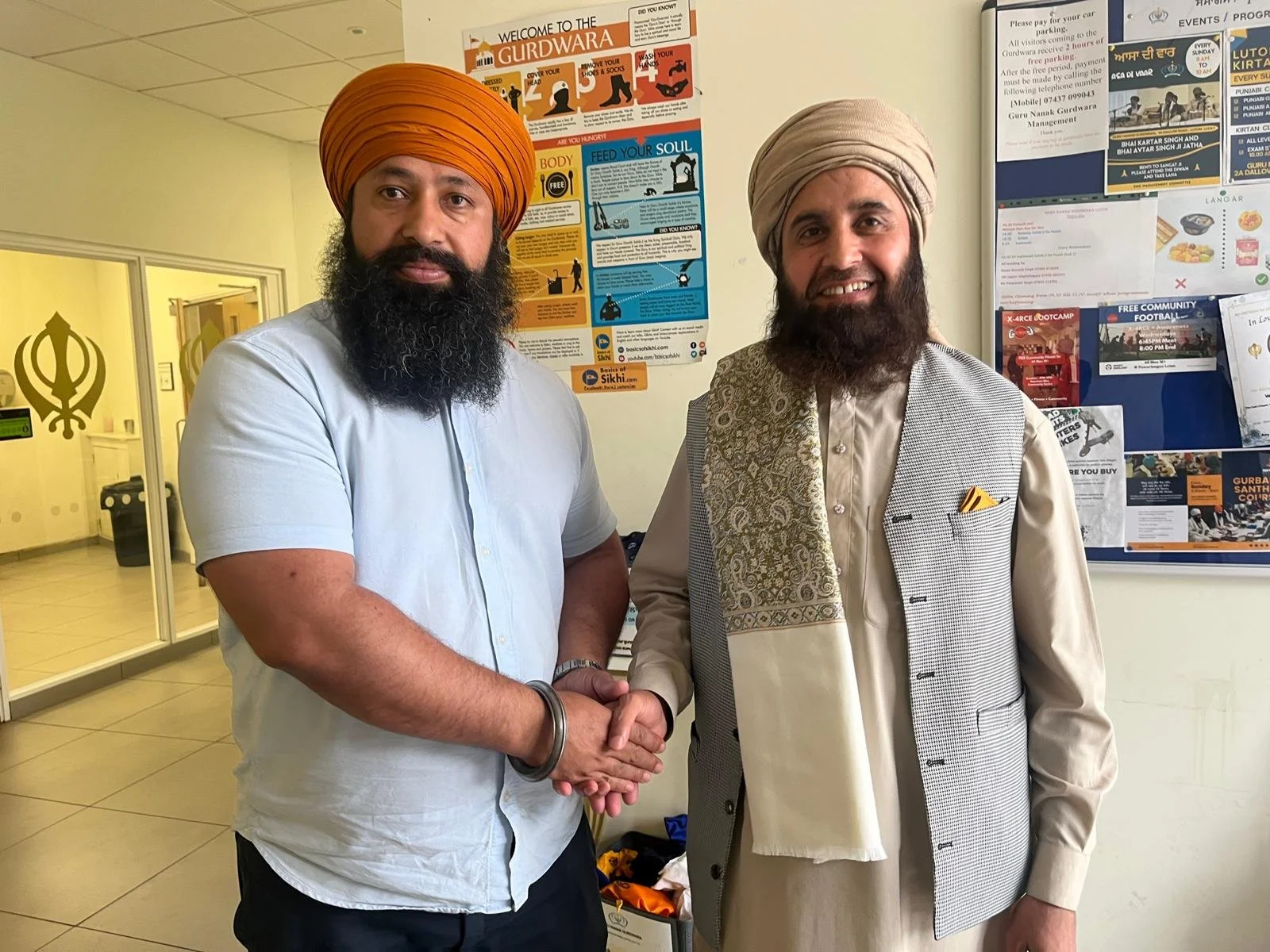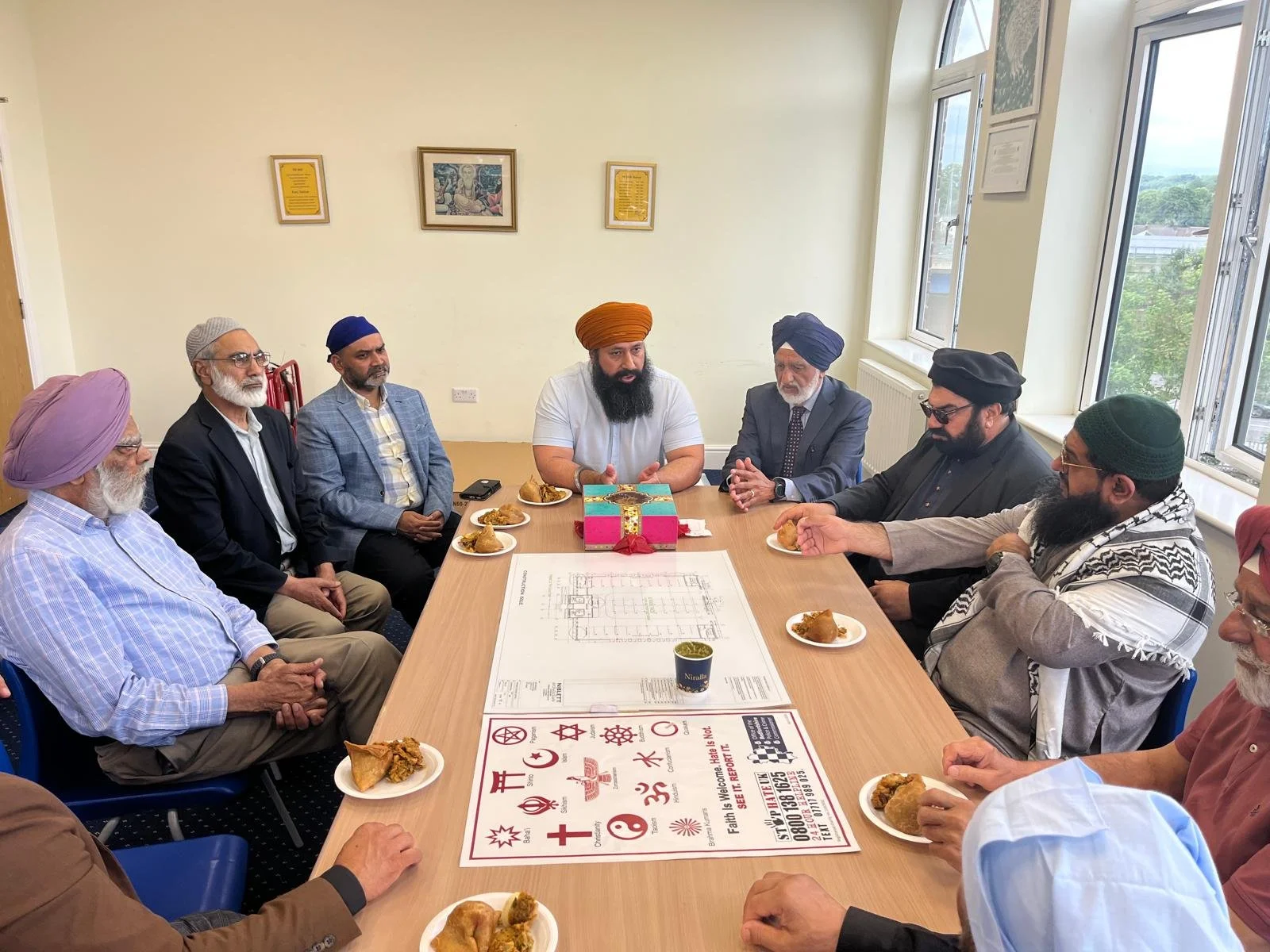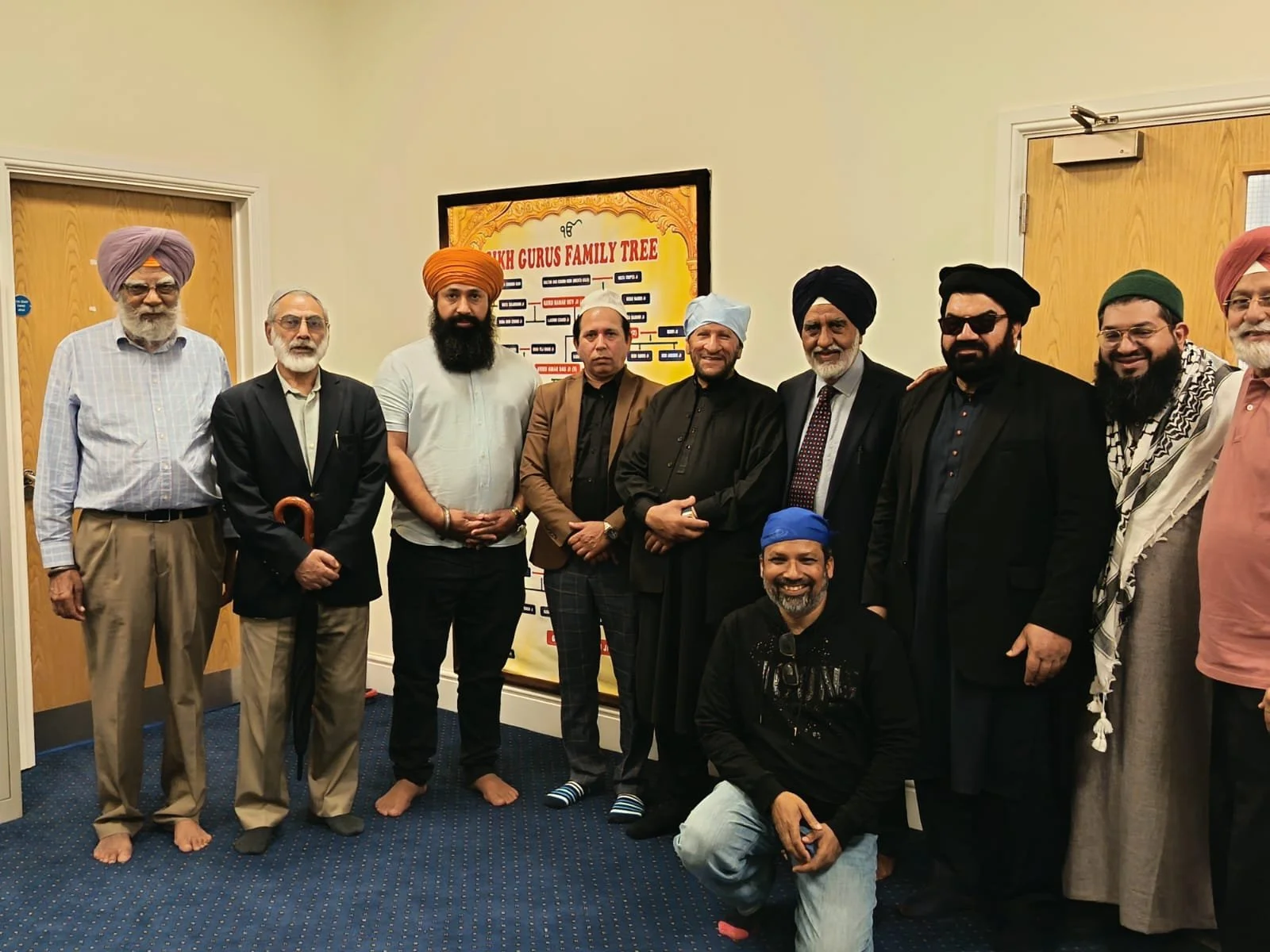
As part of this year’s Luton’s Annual Peace Walk programme, Grassroots & Luton Council of Faiths elders and representatives from Guru Nanak Gurdwara and Luton Central Mosque came together in a spirit of friendship, solidarity and shared responsibility for our town.
The meeting provided an opportunity to strengthen relationships between the Sikh and Muslim communities, increase meaningful encounters between faith groups, and explore how both communities can work more closely together to serve the most vulnerable and destitute members of society in Luton.
In light of the recent tragic death of Henry Nowak and the tensions that have followed, both communities expressed their deepest condolences to the Nowak family and unequivocally condemned the horrific attack. Participants also expressed solidarity with members of the Sikh community who have experienced hostility and abuse in the aftermath of the tragedy, reaffirming that no community should be blamed for the actions of an individual. Community leaders across the UK have similarly called for unity and rejected attempts to divide communities following the case.
The gathering reaffirmed a shared commitment to standing together during difficult times, supporting one another when communities face challenges, and continuing to build a Luton where respect, understanding and good neighbourliness overcome fear and division.
The Annual Peace Walk continues to create opportunities for people of different faiths and backgrounds to meet, build trust and work together for the common good of our town.
Key Points from the Sikh-Muslim faith leaders’ discussions:
Reflections were shared on politics and history, including the partition of India and current political divisions, with concern about increasing polarisation and lack of middle ground.
Participants stressed the importance of working together, promoting peace, and maintaining harmony, especially in a diverse place like Luton.
There was a strong call for collaboration, emphasising that communities (especially Muslims and Sikhs) are “brothers” and should stand together.
Practical ideas were discussed, such as:
Organising joint community events and soup kitchens
Serving vegetarian food to include everyone
Holding regular gatherings (quarterly) to build relationships
They highlighted the importance of youth involvement, political participation, and representation to strengthen the community’s future.
Overall, the message was that unity, dialogue, and shared activities can counter division and extremism, creating a more peaceful and connected society.
In short:
The conversation was about promoting unity, inter-faith cooperation, and community action, using shared culture, food, and regular engagement to build stronger, more inclusive relationships and resist division.